Published by Build Hub Company Limited · Updated
Start from the programme, not the shopping list
The most expensive way to buy materials is all at once. Cement deteriorates in the humidity, steel corrodes in the salt air, blocks get chipped by every trade that walks past the stack, and sand gets contaminated by whatever it is tipped onto. The cheapest way is to know when each material is needed on site and order it to arrive just ahead of that date.
So before you ask for a price, sketch the sequence: substructure, ground floor walls, first-floor slab, upper walls, roof, partitions, external works. Each stage has its own material demand and its own date. That sequence is what a supplier plans production and deliveries against.
What to send for a quotation
- A material list or BOQ with quantities and units — wall areas by block size, sand and aggregate by use, cement by bag, steel by diameter
- Drawings or a bar bending schedule where steel is involved; the schedule is the specification
- The site location — village or area plus a map pin or a landmark the driver will recognise
- The stage dates: when the first delivery is needed and how the rest is phased
- Anything unusual about access, storage or working hours
What a proper quotation should include
- Each material described specifically — size, type, brand where relevant — not just 'blocks' or 'sand'
- Quantities and units that match what you asked for, so you can check it against the BOQ
- Delivery basis and location, stated in writing rather than agreed verbally
- Validity period, payment terms and the currency (prices in Zanzibar are quoted in Tanzanian Shillings)
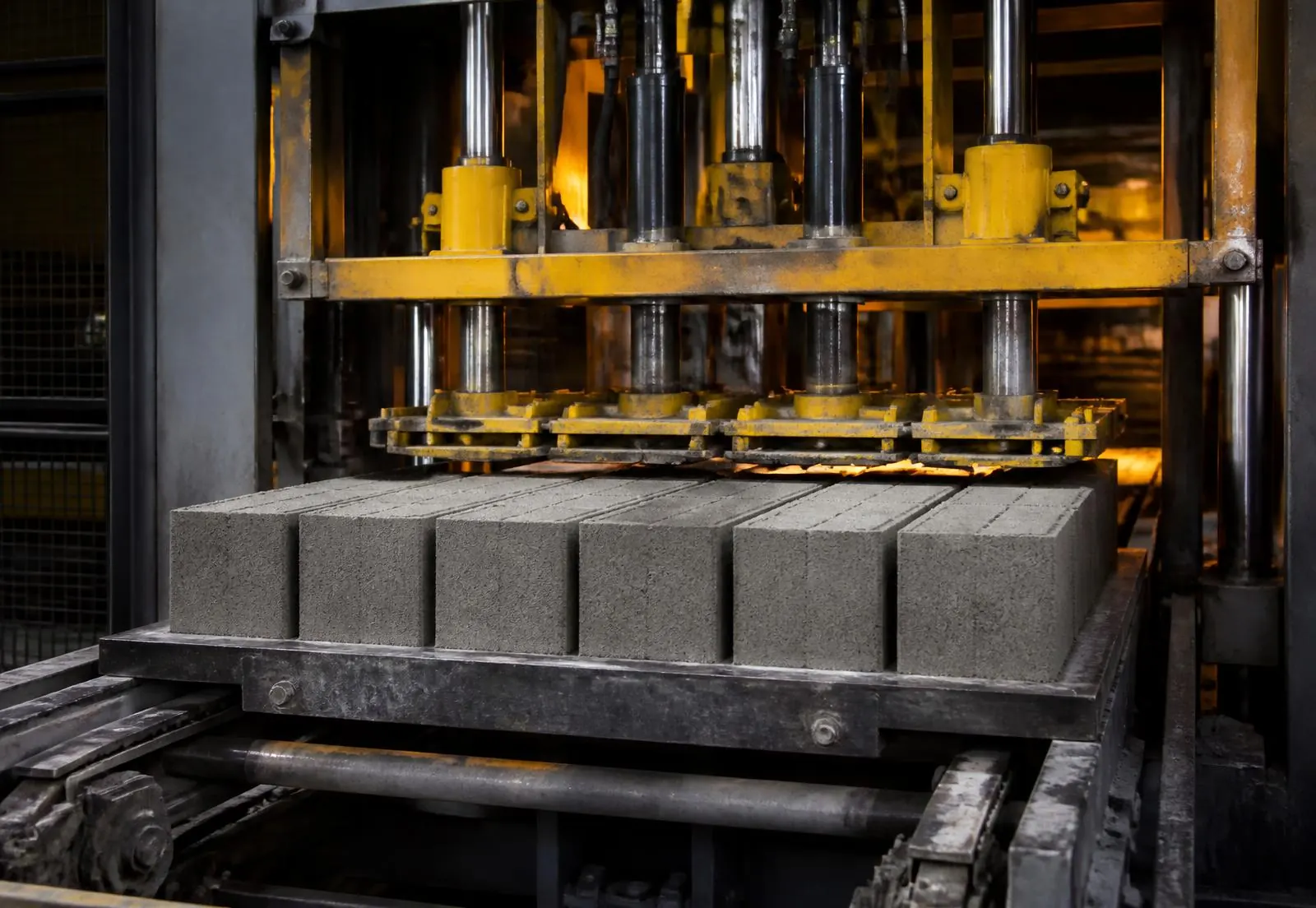
- Lead time for manufactured items such as blocks and pavers, which are produced and cured to order
Preparing the site to receive material
- Access route and turning space for a loaded truck — narrow Stone Town lanes and soft sand tracks both need to be flagged in advance
- A clean, firm stockpile area for sand and aggregate, away from each other and off contaminated ground
- Covered, raised storage for cement so bags never sit on a slab or against a damp wall
- A flat, stable area for block stacks close to where they will be laid
- Someone on site to receive, check and sign for the delivery during agreed hours
Phasing deliveries across the build
For anything beyond a single small load, agree a call-off arrangement: the total quantity is quoted once, and deliveries are released against the programme as each stage approaches. The site holds a working stock instead of a warehouse. It also lets production be scheduled so blocks are cured and ready when the wall programme reaches them rather than being rushed.
Keep the supplier informed when the programme moves. A week's slip is easy to absorb if it is known in advance and a problem if the truck is already loaded.
Checking material when it arrives
- Count blocks and pavers against the delivery note and look at the stack for cracked or chipped units before signing
- Check sand and aggregate for contamination, debris and a visible change from the previous load
- Inspect cement bags for hardening, tears and damp; reject lumpy bags rather than blending them in
- Match steel diameters and quantities against the schedule; light surface rust is normal, flaking corrosion is not
Ordering from Build Hub
Send your material list, site location and stage dates through the quote form, or start a conversation on WhatsApp. We manufacture concrete blocks and pavers in Zanzibar, supply sand, aggregate, crusher dust, cement and reinforcement steel, and deliver across Unguja on a schedule agreed against your programme. The quotation comes back in writing, line by line, in Tanzanian Shillings.