
Published by Build Hub Company Limited · Updated
Curing is not drying
A freshly moulded block is not weak because it is wet — it is weak because the cement has not yet hydrated. Curing keeps moisture in the unit so hydration can continue. A block left to dry quickly in sun and wind stops gaining strength early and stays permanently weaker than the same mix cured properly.
This is the single largest difference between blocks that look identical on a yard and blocks that behave differently in a wall.
What controlled curing looks like
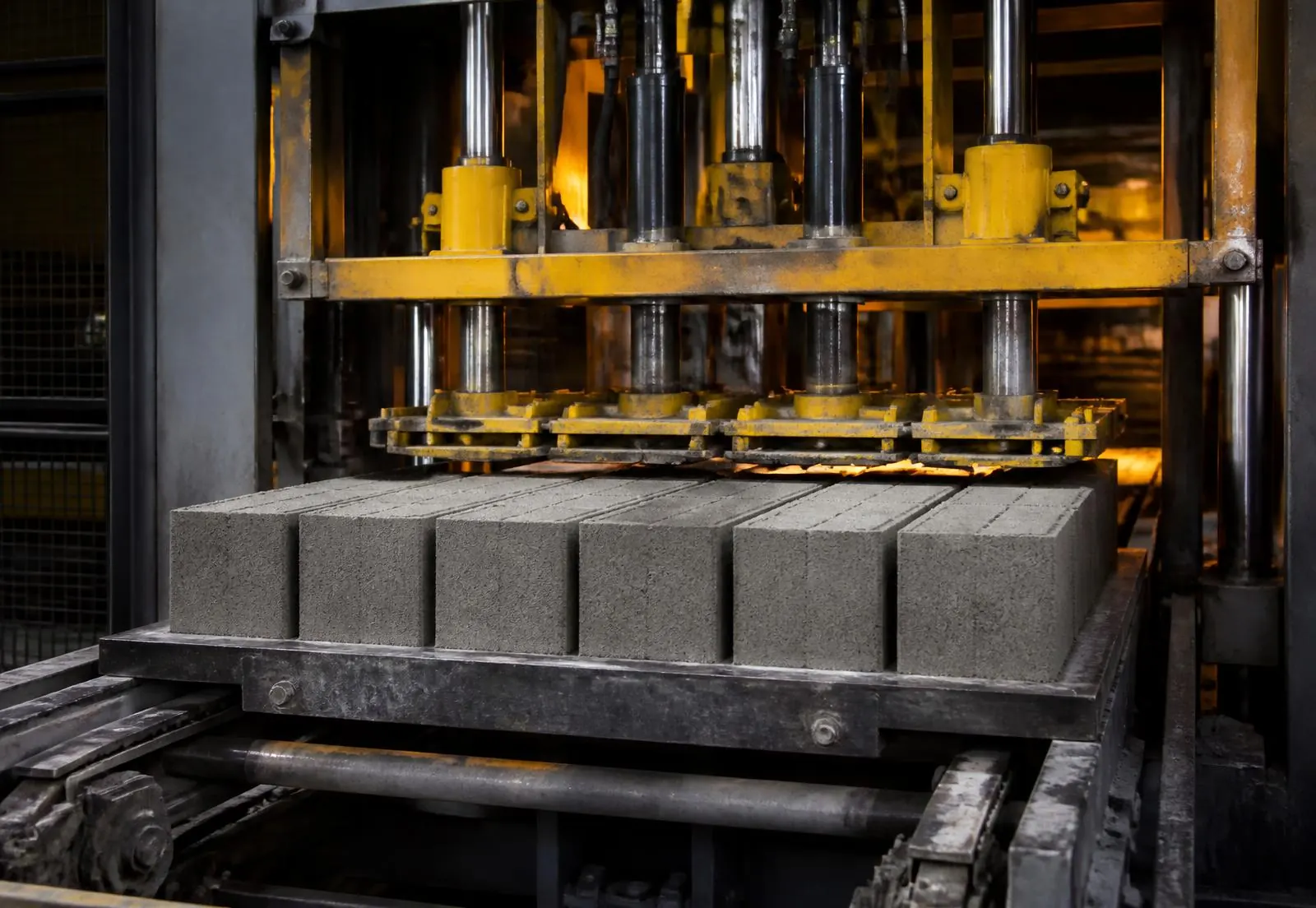
Build Hub manufactures on hydraulic press equipment with batching and a controlled curing stage precisely so strength is repeatable between pallets, not a matter of which day a block was made.
- Units kept moist and shaded for the curing period rather than stacked straight into the sun
- Consistent batching so every pallet starts from the same mix
- Blocks not dispatched before they have gained enough strength to be handled without damage
- Production planned against order dates rather than sold green to meet a rush
Why it matters more on the coast
In a hot, humid, salt-laden environment, a poorly cured, porous block absorbs and holds more moisture. That accelerates surface deterioration, brings salts to the face and undermines plaster and paint finishes. Denser, properly cured units resist that far better over the life of a building.
Handling and storing blocks on site
- Offload onto firm, level ground, not soft sand or mud
- Stack in stable bonded piles at a safe height, clear of the access route
- Do not tip or drop blocks off the truck bed — chipped units cost you in the wall
- Keep units clear of standing water and site runoff
- Do not soak blocks immediately before laying unless the mortar specification calls for it
Ordering blocks against a programme
Because manufactured units are produced and cured to order, the first delivery date is agreed against production rather than pulled from stock indefinitely. Tell us the wall areas or block counts and the date the first lift is needed, and we can phase pallets against the blockwork sequence.